
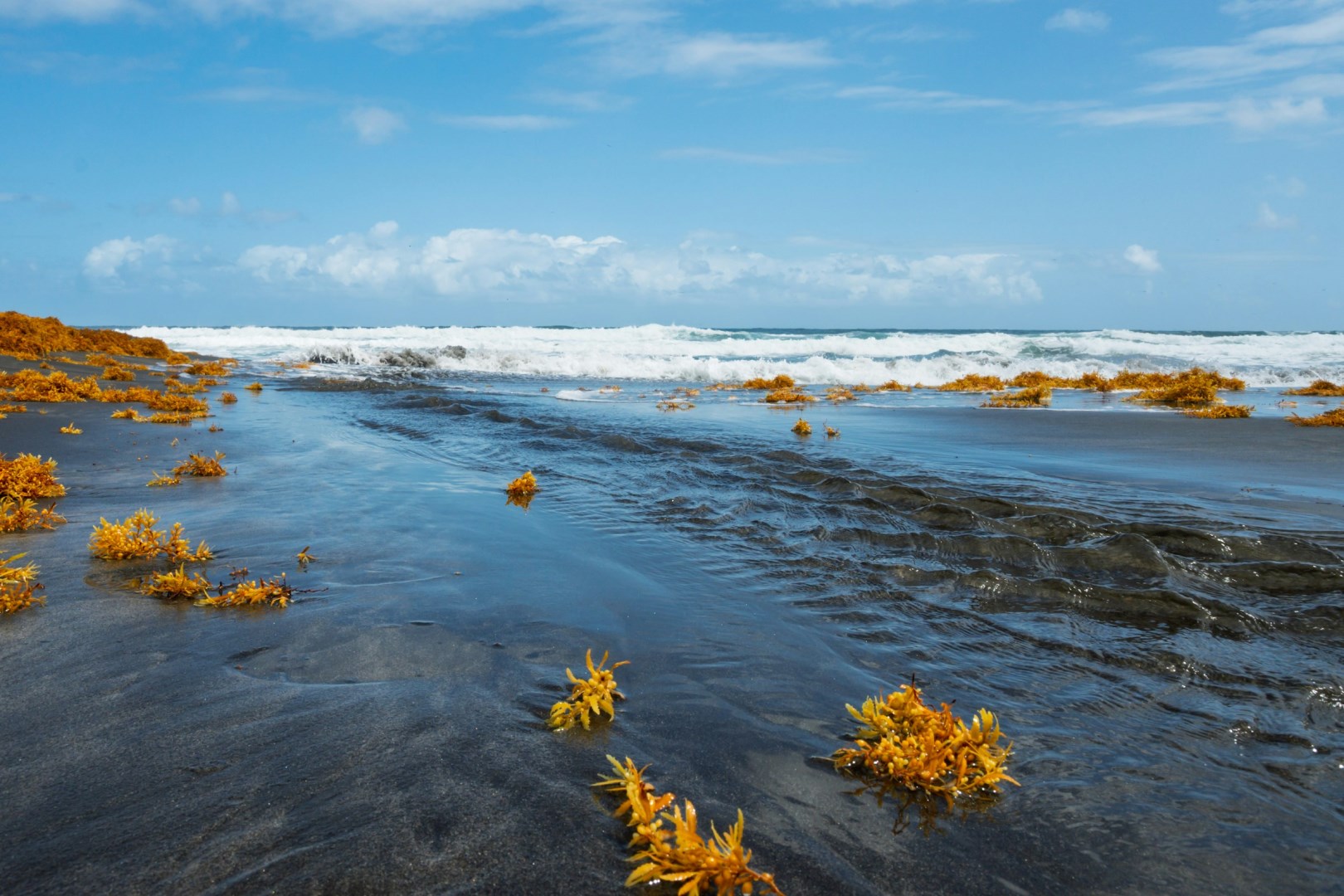
Rosalie is a small coastal community on the southeastern side of Dominica, where the Rosalie River reaches the Atlantic Ocean. The village lies within a landscape of steep forested hills, river valleys, and rocky coastline, with the surrounding area forming part of Dominica’s lush eastern interior. Rosalie is particularly associated with the Rosalie Bay area, where the river, rainforest, and ocean meet. The community is much smaller than Dominica’s main towns and is surrounded by protected natural areas, making its setting closely connected with the island’s forests, rivers, and coastal ecosystems.
Rosalie has a rural community identity shaped by farming, fishing, and the natural resources of Dominica’s southeastern coast. The area reflects the wider cultural traditions of the island, including African and Kalinago influences, Creole language, local music, and food based on crops and seafood. Farming communities in this part of Dominica cultivate bananas, plantains, root vegetables, cocoa, and other tropical produce. Rosalie is also associated with community-based conservation, particularly efforts to protect sea turtles and their nesting beaches. Local environmental work has helped connect residents and visitors with the importance of the surrounding coastal habitats.
The Rosalie River is one of the community’s defining natural features, flowing from the interior through rainforest before reaching the Atlantic. The nearby Rosalie Bay is a known nesting area for leatherback, hawksbill, and green sea turtles, particularly during the nesting season. Trails and river excursions provide access to the surrounding rainforest, while waterfalls and natural pools can be found farther inland. Rosalie also provides access to Dominica’s broader network of protected landscapes, including Morne Trois Pitons National Park, a UNESCO World Heritage Site. The combination of river, forest, mountain slopes, and open coastline gives the area a varied natural setting.
Food in Rosalie and the surrounding communities reflects Dominica’s Creole cooking traditions, with fish, crab, plantains, breadfruit, dasheen, cassava, and locally grown vegetables commonly used. Mountain chicken, which refers to the meat of the endangered agouti rather than poultry, is a traditional Dominican dish but is not widely served today because of conservation concerns. Cocoa is another important local product, and Dominica has a strong connection with small-scale cacao farming. Rosalie’s coastal setting also supports seafood-based meals, while the surrounding forests provide ingredients and plants that have long been used by Dominican communities for food and practical purposes.
Other Popular Destinations in Dominica


